Game Bridge toolset
Run multi-scene conversations, connect props and input, build UI with Conditions and event calls, and coordinate game and narrative saves.
Explore the tools →

Build stories. Design interactions. Bring them into your game.
A visual workspace for branching dialogue, timelines, characters, localization and Game Bridge.
Plan and connect dialogue, branches and scene logic in one workspace.
Coordinate dialogue, events and production timing across your story.
Keep localized dialogue connected to the same authored story.
Connect your narrative to gameplay and custom Unity interfaces.
Storyteller 3 is the successor to Storyteller 2. Game Bridge is included in the Storyteller 3 package.
Move from a connected story to a timed scene, track story items and connect the result to gameplay with the included Game Bridge.
Storyteller 3 is built for narratives that need more than a text box: branching paths, repeated timelines, localization, environmental context, characters, images, audio and runtime behavior.
Build dialogue, routes, actions, characters and environment changes in a visual story canvas.
Create choices, convergence, loops and non-linear narrative structures without flattening the story into a spreadsheet.
Manage localized dialogue and route content alongside the source story instead of splitting production into separate files.
Generate and edit story structure with AI Story Studio and its Agent, build imagery with project references, and translate localized content.
Keep character information, environments, scene context and visual references connected to the narrative.
Attach or record voice, sound effects, imagery and storyboard material to story content for richer production planning.
Organize multiple scenes and extensive narrative structures while keeping editing and navigation inside Unity.
Storyteller 3 includes Game Bridge for moving authored story data into runtime interactions and presenting it through the UI style that fits your game.
Connect a conversation to a door, a character, a key or a phone interface. Compare live game values with Conditions, pass results between event calls, track World Item possession and ownership, and save the resulting story state.
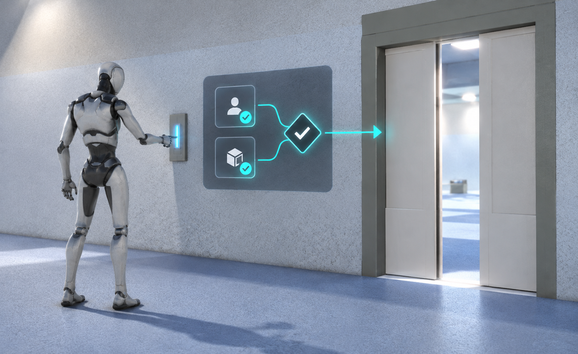
The authored data can support classic RPG dialogue, phone conversations, visual-novel layouts, overhead chat bubbles, cinematic scenes and custom interaction systems and more.
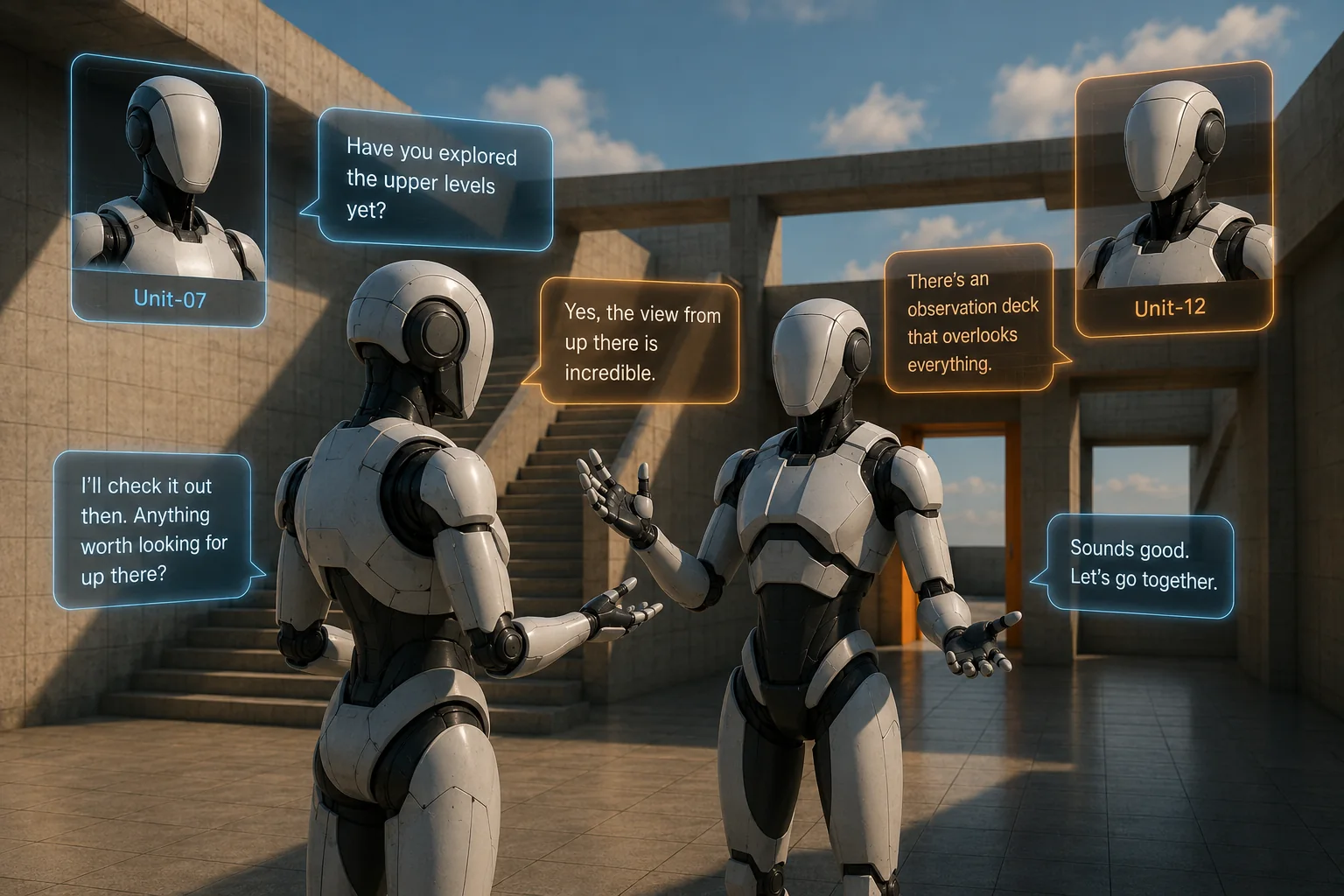
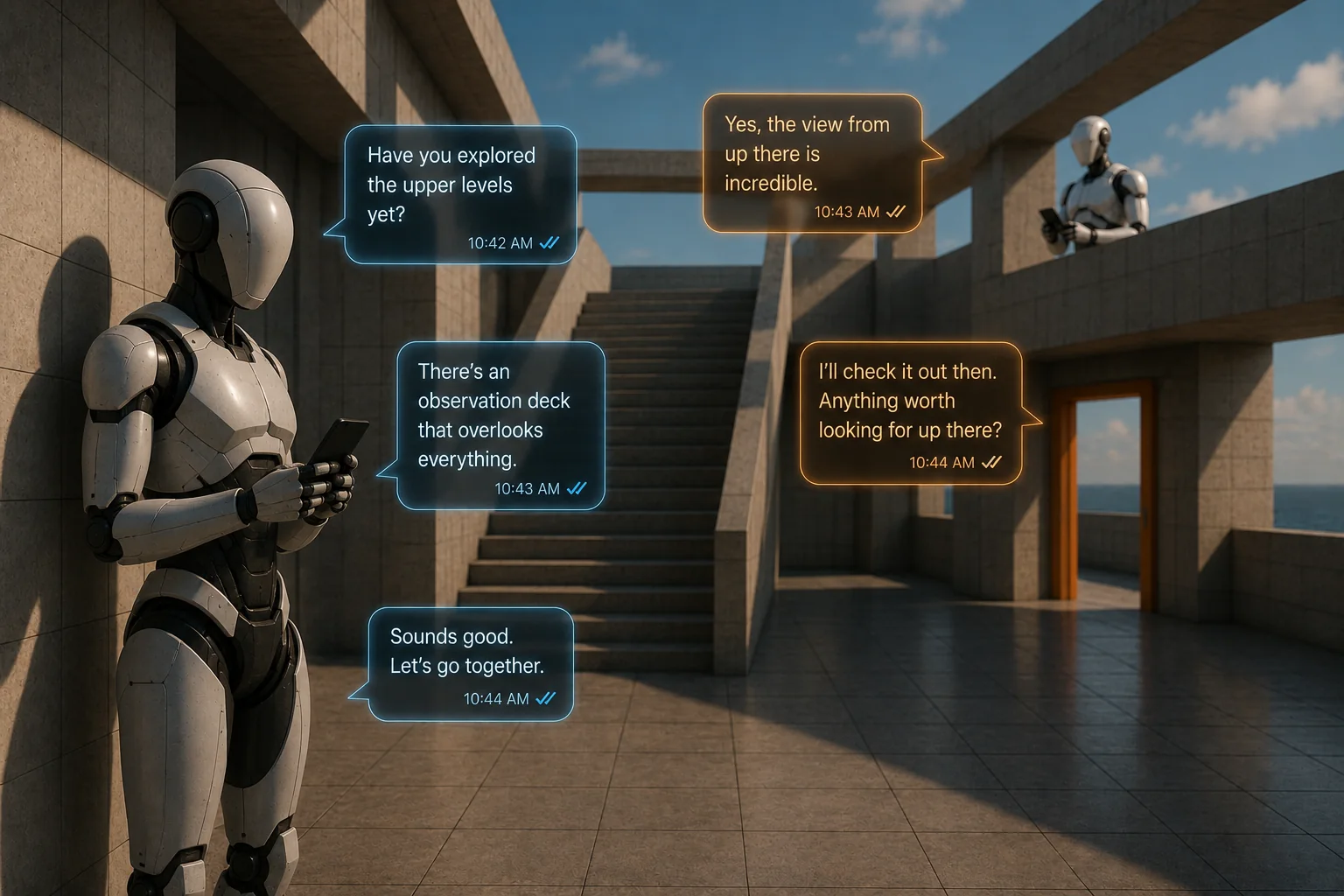
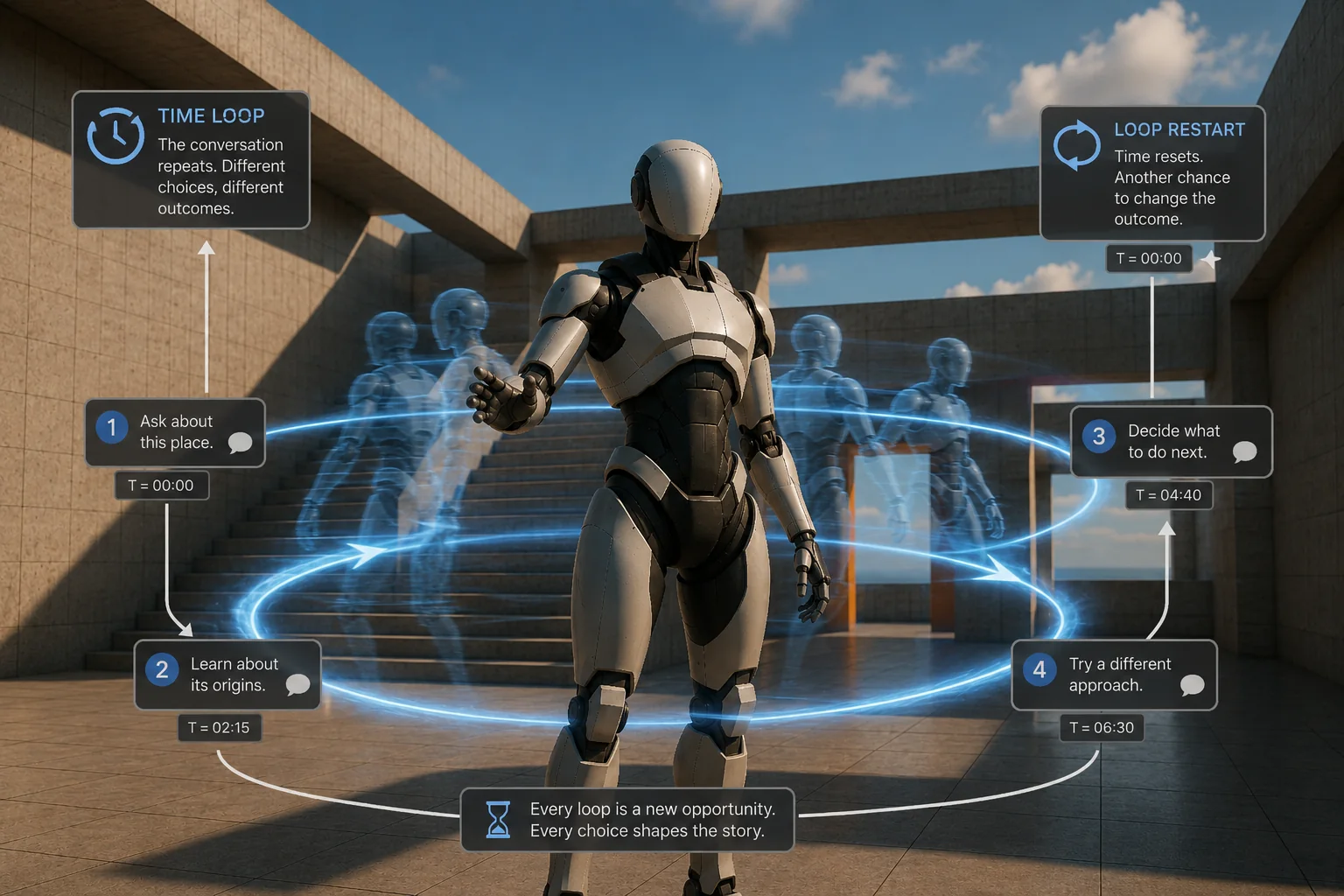
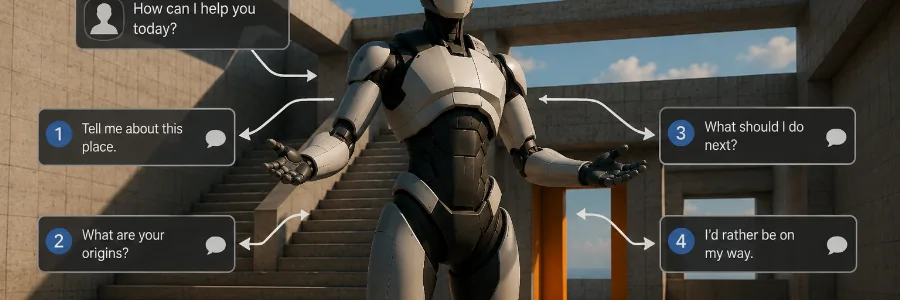
Export a single .storytellerweb package and open it in Story Viewer to present scenes, characters, environments, world items, dialogue, actions, routes, images, audio and localized content in a responsive browser experience. Your project data stays on your device.
Storyteller 3 is designed for developers who want narrative content to remain organized, editable and visible throughout production.